Plant Prefab Site Prep & Utilities: The San Diego Owner’s Guide
Site prep and utility work for a Plant Prefab unit in San Diego typically runs $18,000 – $45,000 before permit fees, depending on your lot, soil, and how far the utilities need to run. We stock and install Plant Prefab-compatible foundation, trenching, and utility connection components, and most prep packages are ready to schedule within two weeks of permit approval. Owners usually discover a problem the hard way: permits stall, the crane date gets pushed because the pad isn’t ready, or the utility stub-out locations don’t match what the factory shipped.
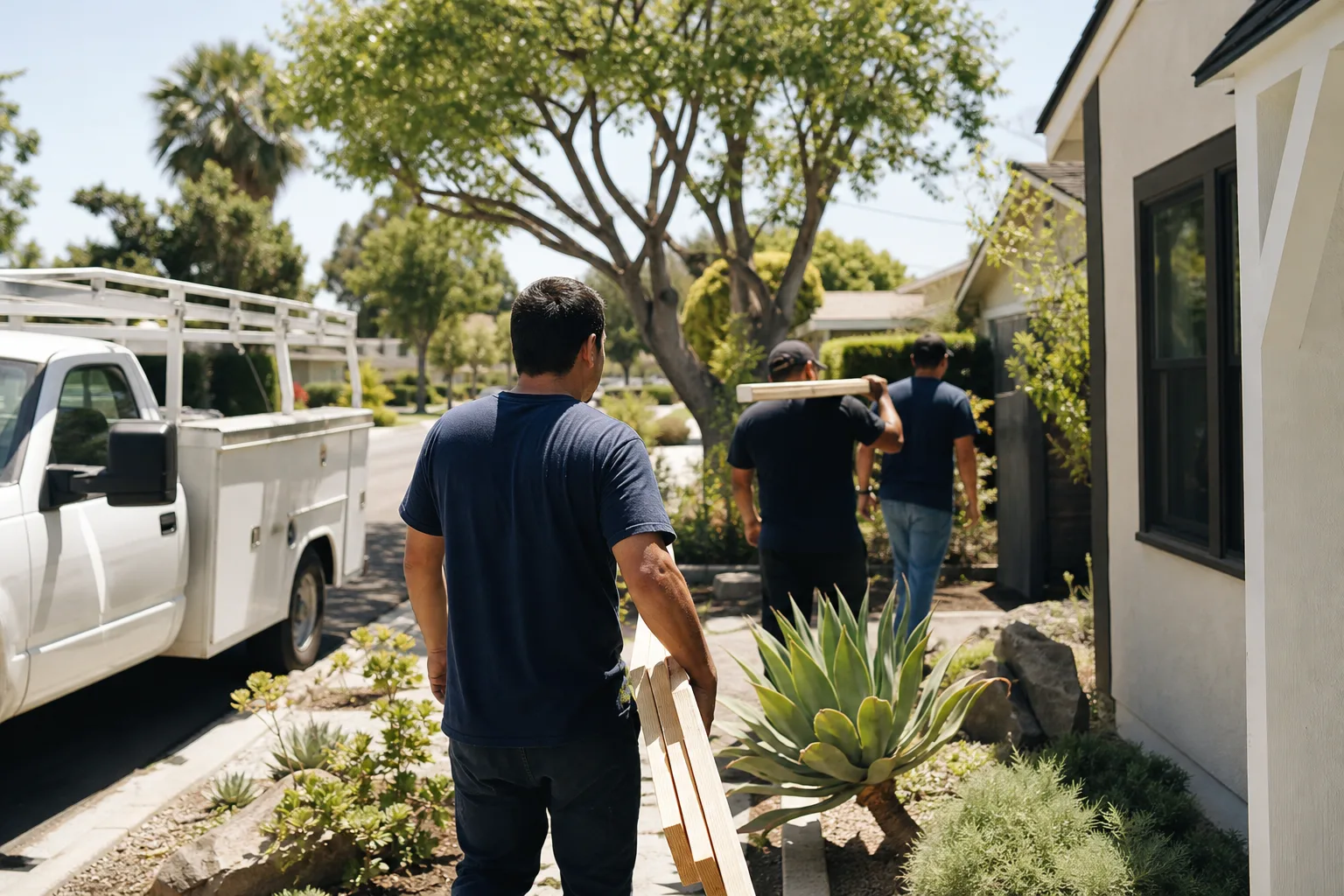
Plant Prefab builds the module to exact specifications, but the site has to meet it halfway. When the pad elevation is off by two inches or the sewer lateral is stubbed at the wrong depth, the factory has no fix for that. That’s the work we do before the truck ever leaves the factory. Reed Calloway has been pulling permits and cutting pads in San Diego long enough to know that the prep is where most Plant Prefab projects either stay on schedule or quietly fall apart.
Key takeaways:
- Plant Prefab site prep in San Diego: $18,000 – $45,000 installed, before permit fees
- We match utility stub-out locations to your Plant Prefab factory drawings, not the other way around
- Written price before any work starts, per The Garrison Standard
- 365-Day Done Right Promise on every prep package
- Call (858) 264-3027 for a free site walk and written estimate
Which Plant Prefab Models This Applies To
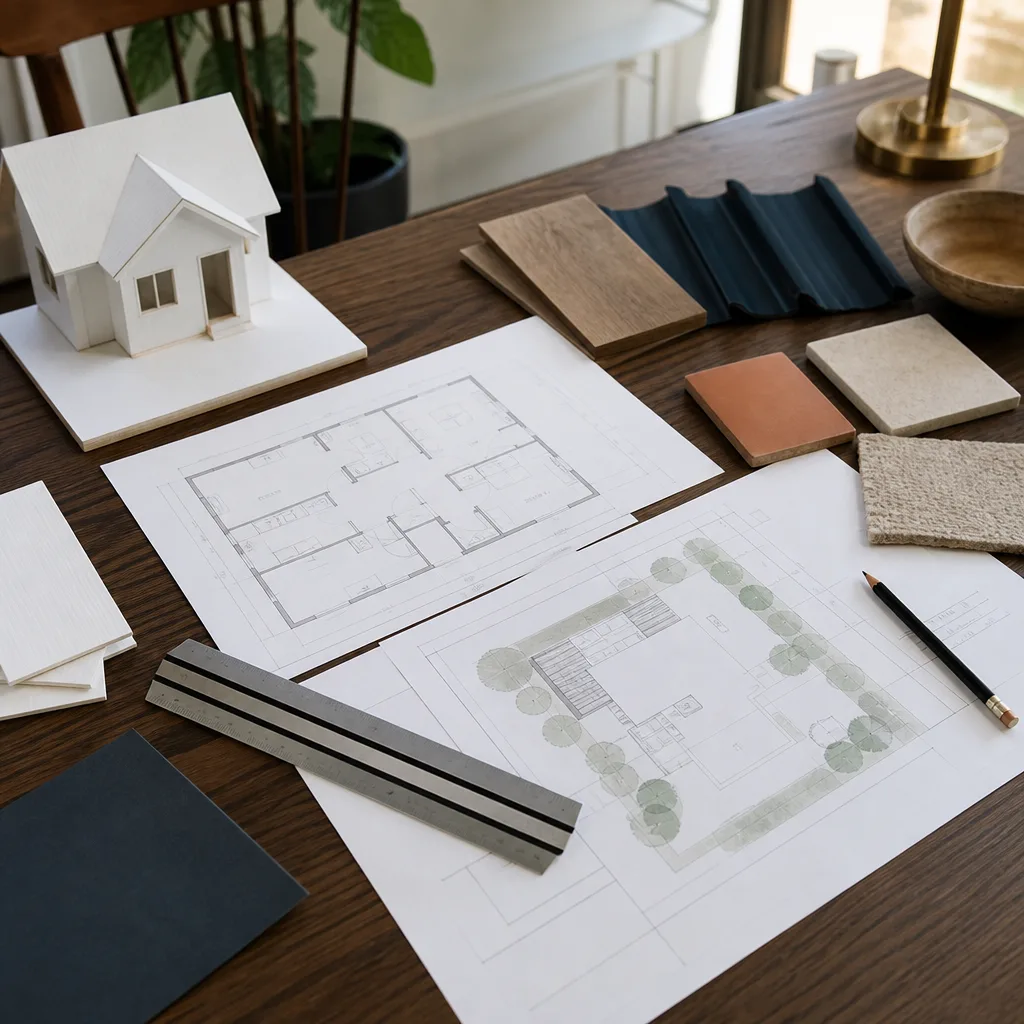
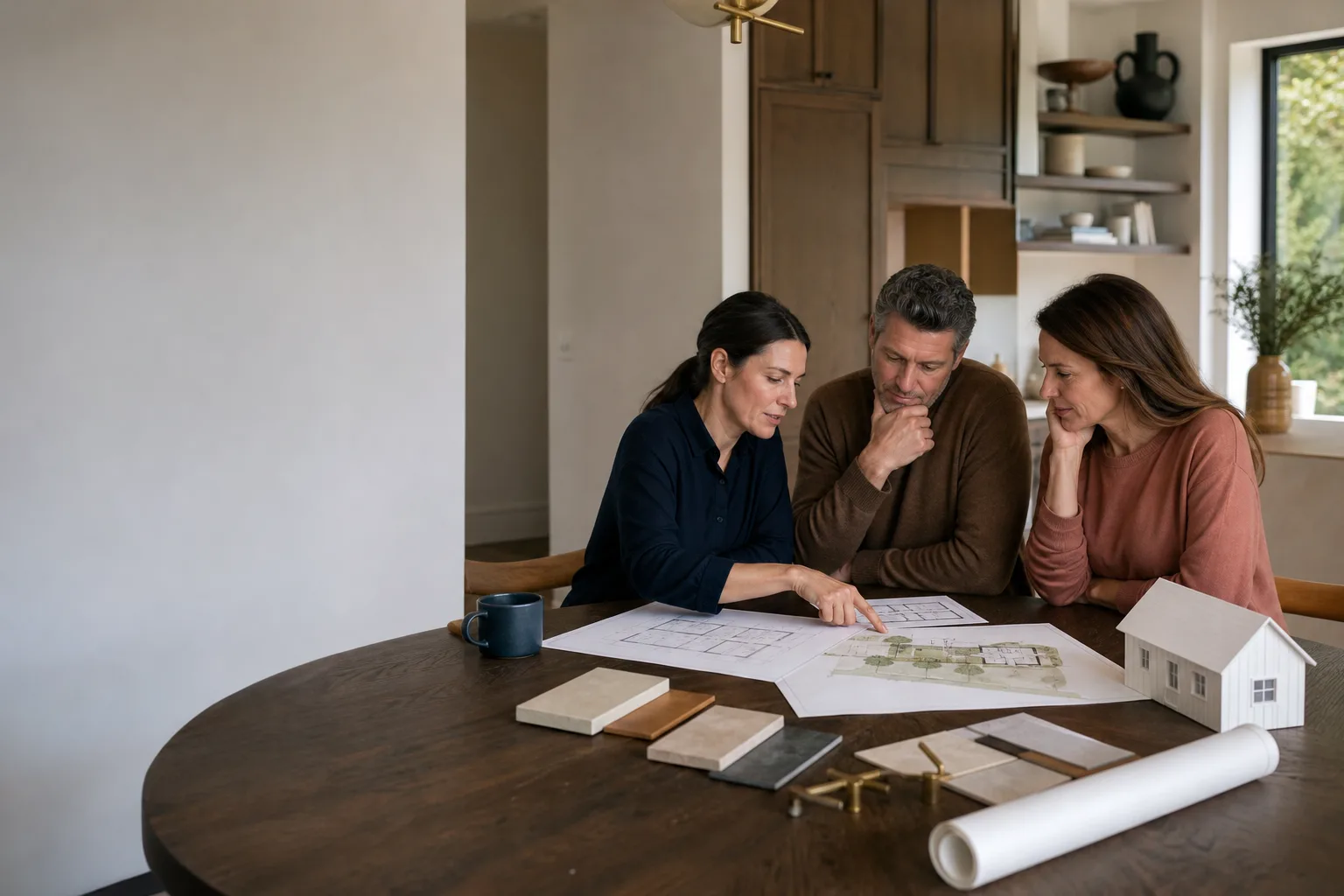
This applies to every Plant Prefab panelized and modular system currently shipping to Southern California, including their ADU and accessory dwelling configurations. The critical thing to understand: Plant Prefab ships with specific utility entry points, foundation anchor patterns, and elevation requirements baked into the engineering drawings. If your site prep doesn’t match those drawings exactly, the set crew shows up and the module doesn’t land.
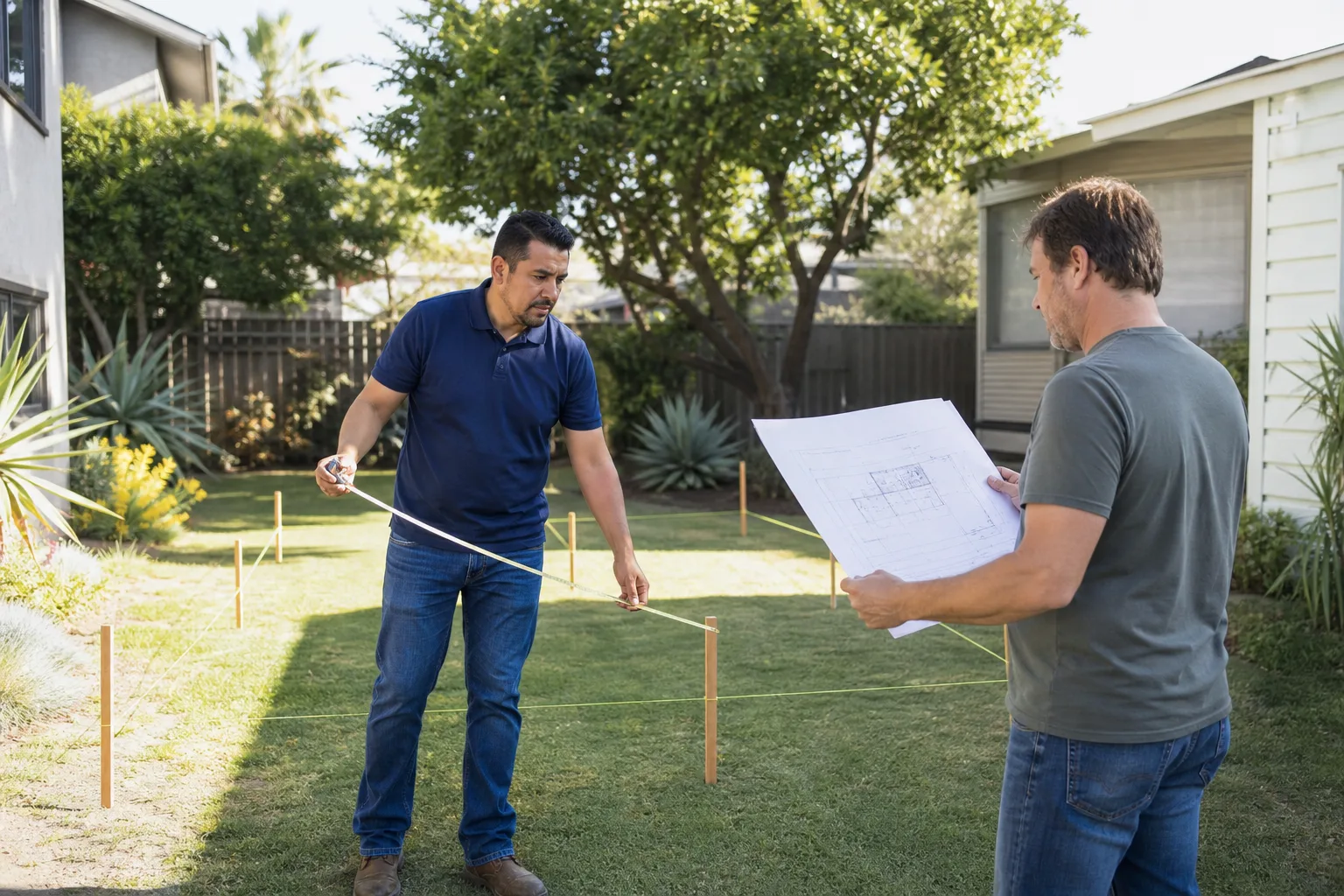
Look at the foundation plan page in your Plant Prefab drawing set. It lists the anchor bolt pattern, the required pad dimensions, and the precise stub-out locations for sewer, water, and electrical. If your slab or pier layout is off by an inch, the module anchor points won’t line up. We’ve corrected pads in San Diego where a previous contractor eyeballed the layout instead of working from the factory’s CAD files. The aftermarket-versus-OEM question doesn’t apply the same way here as it does for a mechanical part. The concrete, rebar, conduit, and piping are all locally sourced to San Diego code. What matters is that the layout is Plant Prefab-specific. That’s where the competence lives.
We also prep sites for Abodu, Cover, and Dvele units, so if you’re still deciding between platforms, we can walk you through how the site prep differs by manufacturer.
Signs Your Plant Prefab Site Prep & Utilities Are Failing
- Pad elevation is off from the factory spec. You’ll see this on the surveyor’s report or when the set crew starts dry-fitting the module. If the pad is low, water pools against the foundation. If it’s high, the module sits proud and the finish floor elevation throws off every door threshold. Either way, the factory won’t warranty the set.
- Utility stub-outs don’t match the drawing locations. The sewer lateral is three feet from where the module’s wet wall lands, or the electrical conduit exits the slab in the wrong bay. This is almost always a prep contractor who worked from a site plan instead of the Plant Prefab shop drawings.
- Undersized or shallow utility trenches. San Diego’s clay-heavy soils in areas like Clairemont and parts of North Park expand and contract with moisture. A sewer line buried too shallow moves with the soil and eventually bellies or separates at the joints.
- Pad cracking within the first year. Hairline cracks are normal. Cracks wider than a quarter inch, or cracks with vertical displacement, mean the subgrade wasn’t compacted properly or the concrete was poured too wet. That’s a structural problem, not a cosmetic one.
- Drainage failing around the pad. You’ll see standing water after rain against the foundation edge. In San Diego’s wet winters, that water works its way under the slab and starts eroding the subgrade. We see this most often in Tierrasanta and Mira Mesa, where lots slope and the pad was cut into the hillside without proper swales.
Replacement Cost & What’s Included
Here’s what Plant Prefab site prep and utility work actually costs in San Diego right now:
| Scope | Typical Range (San Diego) |
|---|---|
| Pad/slab demo and re-pour (up to 600 sq ft) | $9,000 – $16,000 |
| Sewer lateral replacement (trench to city tap) | $3,500 – $7,500 |
| Water line replacement and stubbing | $1,800 – $3,500 |
| Electrical conduit and panel feed trenching | $2,500 – $5,500 |
| Full correction package (pad, drainage, all utilities) | $18,000 – $45,000 |
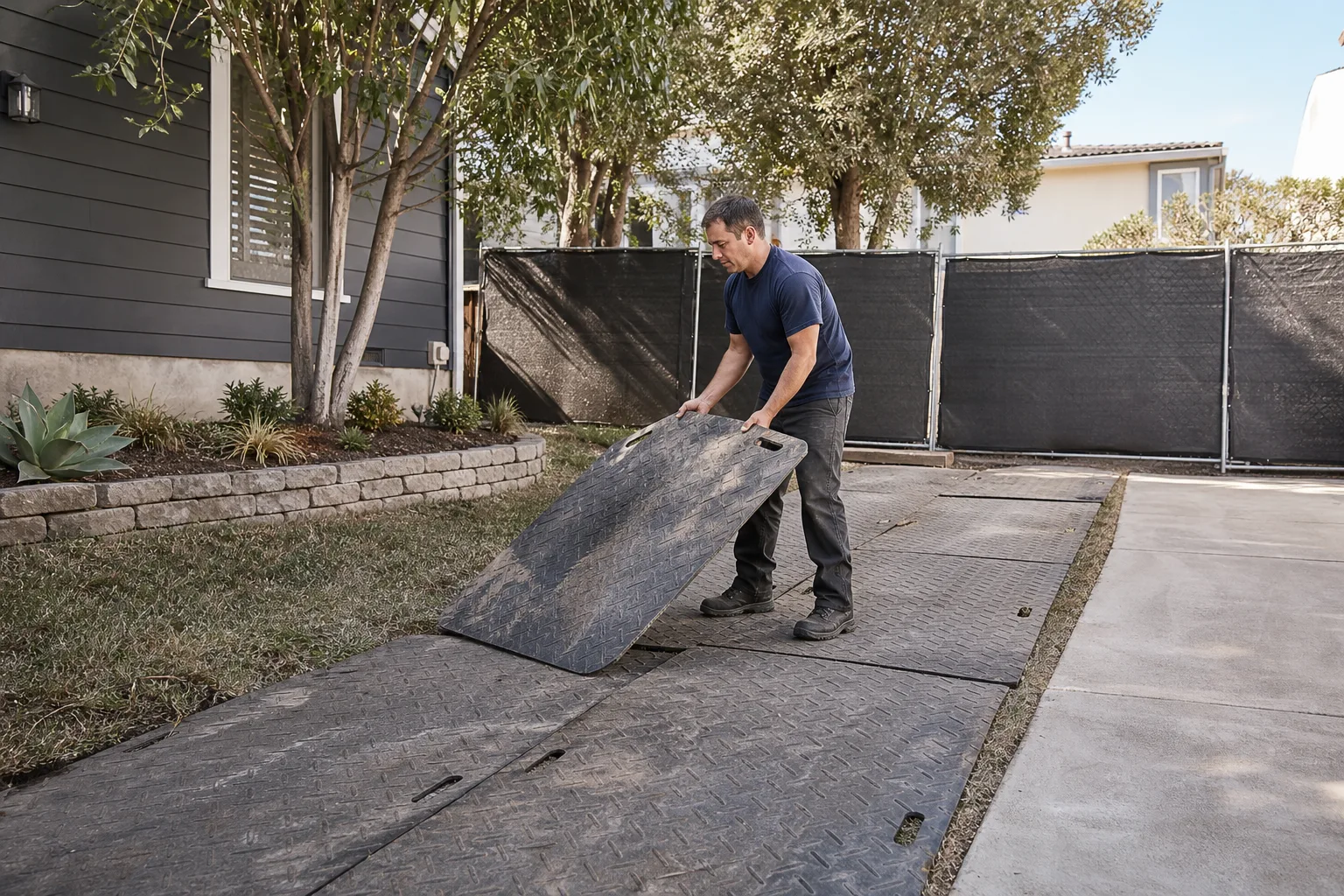
The range is driven by three things: access (a backyard pad a crane can’t reach costs more to excavate), soil condition (expansive clay requires deeper over-excavation and compaction), and utility distance (a sewer lateral that has to run 80 feet to the street versus 20 feet to an alley tap).
Every quote includes the tear-out, excavation, compaction, materials, labor, and a written line-item price before we start. No change orders, no “we found something” upcharges. The Garrison Standard covers the work for 365 days. If the pad settles or the utility connection fails inside that year, we come back and fix it at no charge.
DIY or Call Us?
Here’s the honest split. You can check your drawings against the actual site. You can run a tape measure and verify stub-out locations. You can photograph everything before the set crew arrives. What you should not do is attempt to re-level a pad, re-trench a sewer line, or re-pull electrical conduit yourself. Utility work in San Diego requires permits, trenching safety measures (a collapsed trench kills faster than you can react), and inspection sign-offs. This is not a weekend project.
We get called in after the fact more often than we’d like. The pad is poured. The trench is dug. The inspector fails it. Then the Plant Prefab delivery window is missed, and the owner is paying factory storage fees while we tear out what a well-meaning handyman put in. Put it in writing, pull the permit, do the work. If you’re in San Diego and the prep isn’t right, call (858) 264-3027 and we’ll walk the site, tell you what needs correcting, and hand you a written price.
FAQs
A properly compacted pad with correct utility stubs should last the life of the structure, which in San Diego’s climate means 50-plus years with no meaningful settlement. The weak points are drainage, trench backfill, and subgrade compaction. If those are done right the first time, there’s nothing to fail. Call (858) 264-3027, and we’ll tell you if your current prep is built to that standard.
It depends on what failed. A shifted sewer lateral can usually be re-trenched and replaced without touching the pad. A pad with structural cracking or elevation errors usually needs to come out and be re-poured. We’ll give you a straight answer and a written price for either path, not the one that’s more convenient for our schedule.
Most correction packages take two to four weeks, including permit revisions and inspections. Utility-only corrections are often one to two weeks. We’ll give you a schedule in writing before we start, and we hit it.
We don’t stock concrete, but we keep the common components on hand: the anchor bolt patterns used on current Plant Prefab designs, standard sewer and water stub materials, and the conduit and panel feed components San Diego inspectors expect to see. What we stock on the truck is the part most companies don’t: knowledge of exactly where every piece goes so the module lands right the first time.
Written by Reed Calloway, Owner, Fielding ADU San Diego at Fielding ADU San Diego, serving San Diego and nearby areas.