James Hardie ADU Builders in San Diego: What to Know First
James Hardie ADU builders in San Diego typically charge $85,000 to $220,000 for a detached unit with HardiePlank lap siding, with permit fees and site work adding $8,000 to $25,000 depending on your lot. As an independent James Hardie service provider, we work on ADUs clad in HardiePlank, HardiePanel, and HardieTrim, and we’re not affiliated with or authorized by James Hardie. If you own a home in San Diego with James Hardie siding and you’re planning an ADU, this page tells you what you’re actually up against: cost, process, failure points, and how we handle the work. Call (858) 264-3027 and a live person picks up, day or night.
How James Hardie Products Fail – and How We Fix Them
We’ve built and repaired enough James Hardie-clad structures in San Diego to know where the material fails first. Here’s what we see, by product line:
- HardiePlank lap siding: butt joints open up. HardiePlank expands and contracts with San Diego’s coastal temperature swings, and when the original installer butted two planks too tight, the joint opens and lets moisture behind the board. On ADUs near the coast in Point Loma or Ocean Beach, we see it within three to five years. We pull the affected planks, reflash the joint, and reinstall with the correct 1/8-inch gap, per James Hardie’s install spec. You’d be surprised how often the original gap was never there.
- HardiePanel vertical siding: wicking at the bottom edge. If the panel was cut on site and the cut edge wasn’t sealed, water wicks up from the bottom edge and the panel starts to swell or crumble at the base. This is common on older garage conversions in Clairemont and Mira Mesa. We remove the deteriorated panel, apply sealant to the fresh cut edge, and reinstall with proper clearance from grade. That clearance is code, not a suggestion.
- HardieTrim boards around windows: cracking at fastener points. When the installer used nails instead of screws, or drove fasteners too deep, the trim cracks at the corners. We see this on ADUs built during the 2015-2019 boom, especially around windows on south-facing walls that get full sun. We replace the cracked trim with new HardieTrim, set fasteners to the right depth, and caulk the seams with a paintable sealant that moves with the material.
- HardieSoffit panels: sagging from undersized framing. Soffit failure usually isn’t the material. It’s the framing behind it. If the original builder spaced the soffit framing 24 inches on center instead of 16, HardieSoffit panels will bow and sag within a few years. On ADUs in El Cajon and Spring Valley, we’ve rebuilt soffit framing and reinstalled the panels square. The material didn’t fail. The framing did.
- ColorPlus finish: fading and chalky film near salt air. James Hardie’s factory ColorPlus finish holds up well inland, but within two miles of the coast, we see premature fading and a chalky surface after five to seven years. The panels are sound, but the finish looks tired. We can repaint with a premium acrylic latex per James Hardie’s maintenance guide, or if you’re building new, we’ll recommend the finish and color based on your specific exposure. The factory finish is not a forever finish.
Our James Hardie ADU Builders Process
We don’t show up with a truck and figure it out on your driveway. Here’s how a James Hardie ADU job runs with Fielding ADU San Diego:
- 1
Call (858) 264-3027. A live person answers. We ask what you’re planning, what’s on the lot, and whether you’ve had a contractor walk off the job before. That matters.
- 2
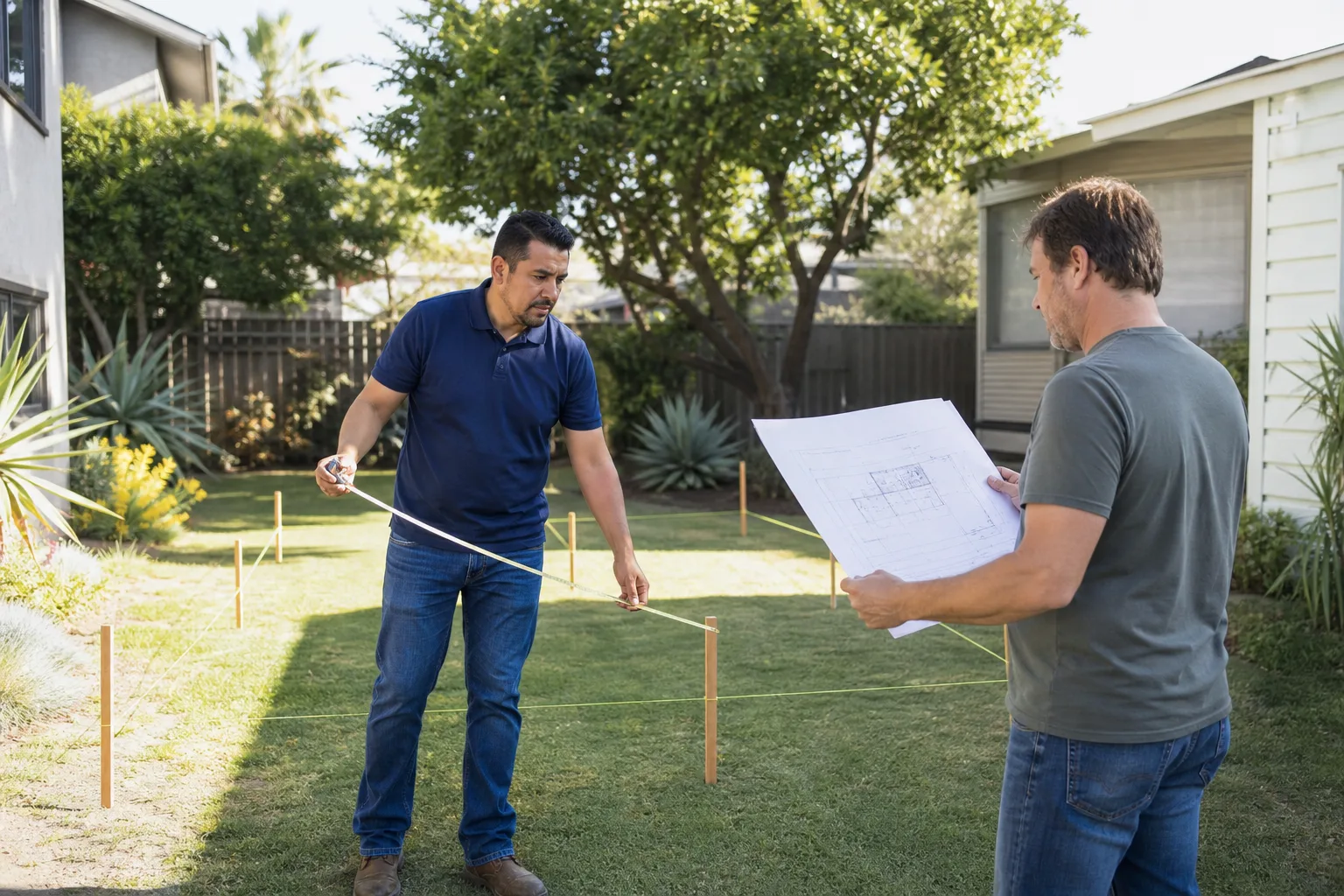
Site visit and measurements. Reed Calloway or a senior crew lead walks the property, checks access, grade, utility locations, and setback requirements. You get a written line-item price before any work starts. Not a ballpark. A number in writing.
- 3
Permit application. We pull permits with the City of San Diego Development Services Department. No board gets cut until the permit is in hand. If you need a setback variance (the city’s written permission to build closer to the property line than the standard rule allows), we handle that paperwork too.
- 4
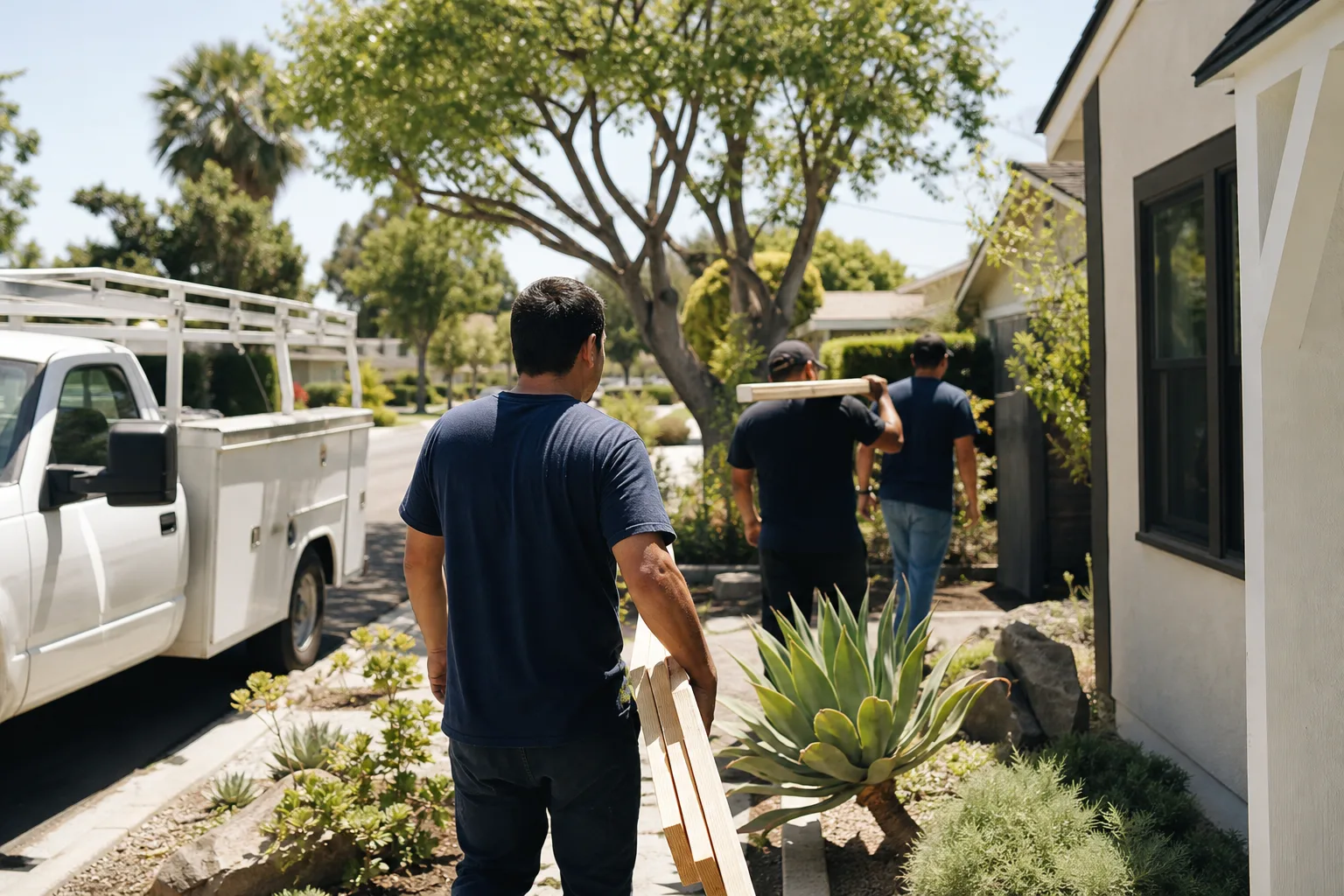
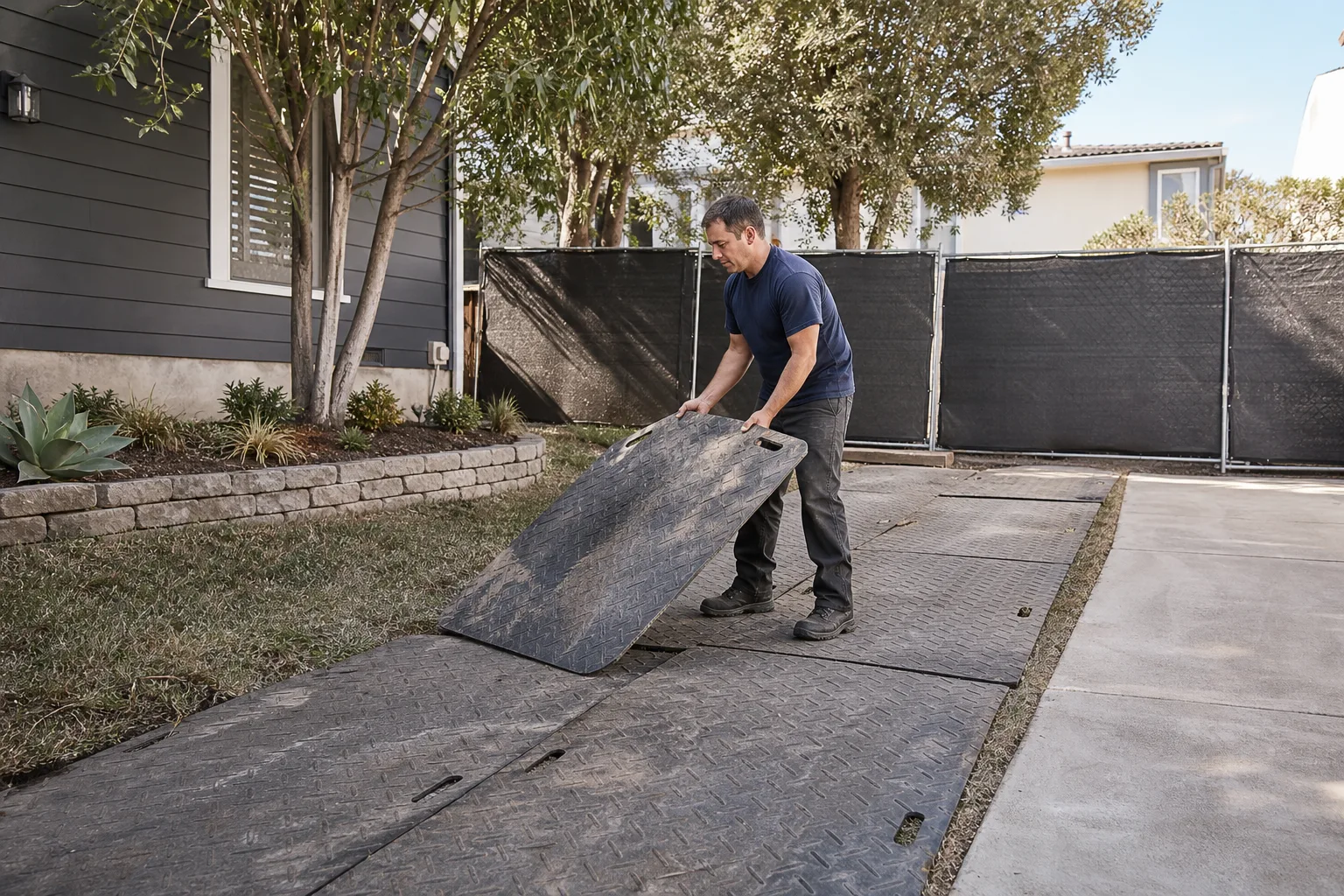
Construction. Our background-checked, uniformed crew handles framing, sheathing, James Hardie siding installation, trim, paint, and interior finish. We install to James Hardie’s published specs so the product warranty stays intact, and we use stainless steel or hot-dipped galvanized fasteners, which James Hardie requires. Cheap fasteners void the warranty and stain the siding.
- 5
Inspection and final walkthrough. We meet the city inspector on site, pass the inspection, and walk you through the unit before we call it done. You get the same written price you approved on day one, and the same number on the final invoice.
- 6
Written one-year guarantee. The Garrison Standard covers workmanship defects for 365 days. If something fails inside that year, we come back and fix it at no charge. It’s in writing.
What James Hardie ADU Builders Costs in San Diego
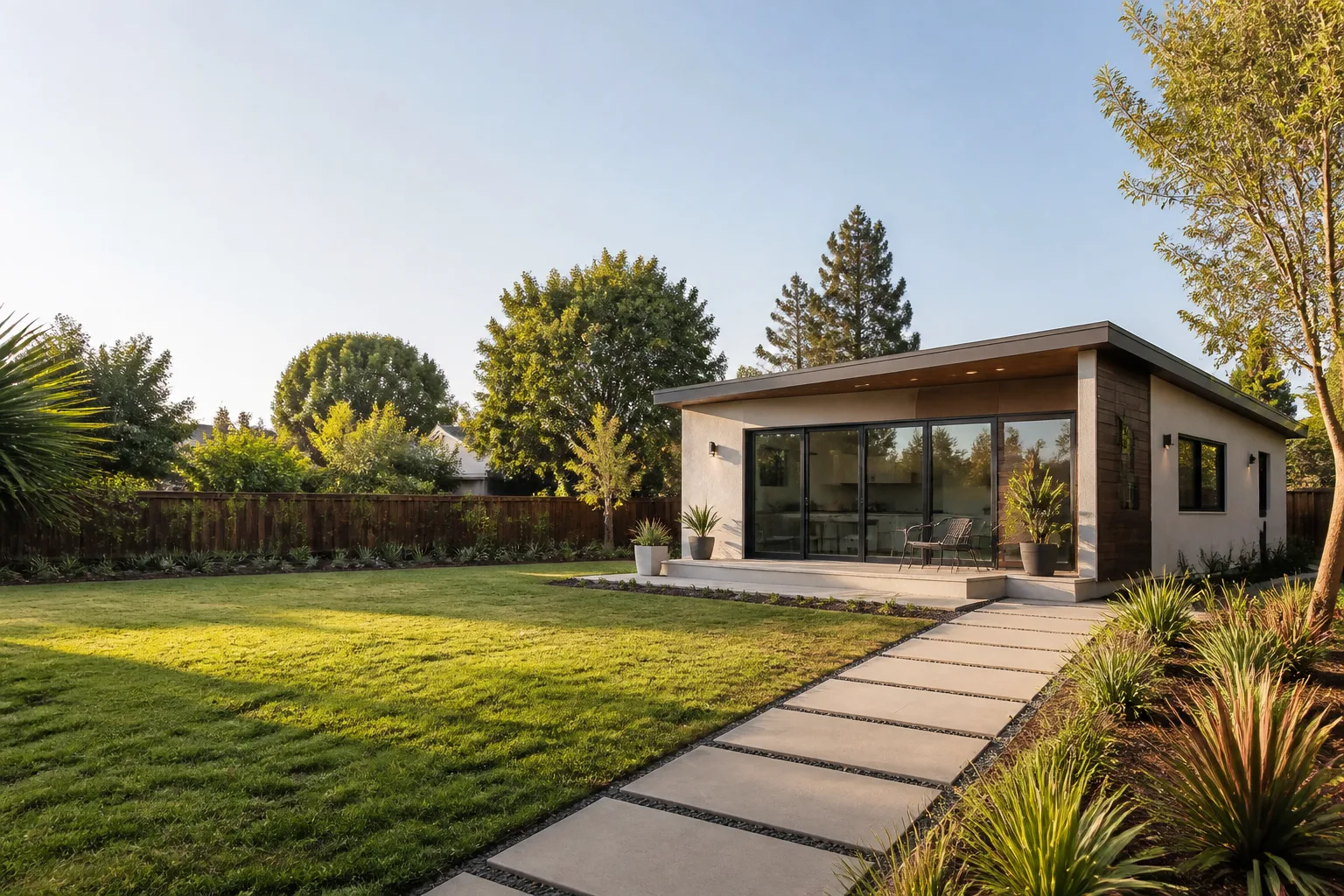
Here are real numbers for San Diego, not national averages. A detached one-bedroom ADU with HardiePlank siding runs $85,000 to $145,000 depending on size, foundation type, and lot access. A two-bedroom unit runs $130,000 to $220,000. A junior ADU (attached, under 500 square feet) starts around $55,000 with HardiePanel rather than lap siding, which cuts labor cost without cutting quality. Permit fees, school fees, and utility connection charges add $8,000 to $25,000. What moves the price most is the condition of your lot: slope, access for equipment, soil type, and whether the existing electrical panel can handle another meter. If you’re adding James Hardie siding to an existing garage conversion, expect $12,000 to $24,000 for full re-side depending on the size. Call (858) 264-3027 for a written line-item price on your specific property. The estimate is free. The price is fixed.
Why San Diego Homeowners Call Fielding ADU San Diego for James Hardie Work
You’ve probably dealt with a contractor who gave you a number, then changed it at the door. That doesn’t happen here. Fielding ADU San Diego is an independently owned member of the Garrison Partners family and we’ve been building to The Garrison Standard since 2006. The code is simple: show up in the window, price in writing, by the book, leave it clean, stand behind it for a year. Every crew member is background-checked and arrives in uniform. You know who’s on your property. We’re fluent with the real build options you’re already researching: conventional construction with James Hardie siding, Tuff Shed-style structures finished out, and prefab platforms including Abodu, Cover, and Dvele. If your lot or budget suits a prefab unit better, we’ll tell you. If conventional framing with Hardie lap siding is the right call, we’ll tell you that too. We’re not pushing one method. We’re pricing the one that fits.
FAQs
No. We install to James Hardie’s published installation specs, which keeps the manufacturer’s product warranty intact. We also back the workmanship ourselves in writing for a full year under The Garrison Standard. The product warranty covers the material; our written guarantee covers the installation.
Most detached ADUs with HardiePlank siding take four to seven months from permit application to final inspection, depending on the city’s current permitting backlog and any grading or utility work your lot needs. A garage conversion re-sided with HardiePanel usually runs six to ten weeks once permits are in hand. Call (858) 264-3027 and we’ll give you a honest timeline for your specific property.
If your existing HardiePlank shows signs of butt-joint separation, bottom-edge wicking, or cracked trim, and the ADU will tie into the same wall plane, it’s usually cheaper to address the siding at the same time as construction. The marginal cost of re-siding while the crew and scaffolding are already on site is lower than doing it as a separate job later. We’ll tell you straight whether repair is enough or replacement makes more sense.
Yes. We order the specific ColorPlus color from James Hardie’s current catalog or have paint matched by a local supplier if the line has been discontinued. Expect some visible difference between new and weathered panels on the existing structure, but we can repaint the whole assembly if you want a uniform look. We’ll price both options before you commit.
No. The number you approve in writing before permits are pulled is the number on the final invoice, with no exceptions. The only legitimate reason for a change order is if you ask us to change the scope, or if the city requires something different during plan check that wasn’t knowable when we wrote the price. We put every change in writing, with a line-item cost, before any added work begins. Call (858) 264-3027 for a free estimate. Put it in writing, pull the permit, do the work.
Written by Reed Calloway, Owner, Fielding ADU San Diego at Fielding ADU San Diego, serving San Diego and nearby areas.